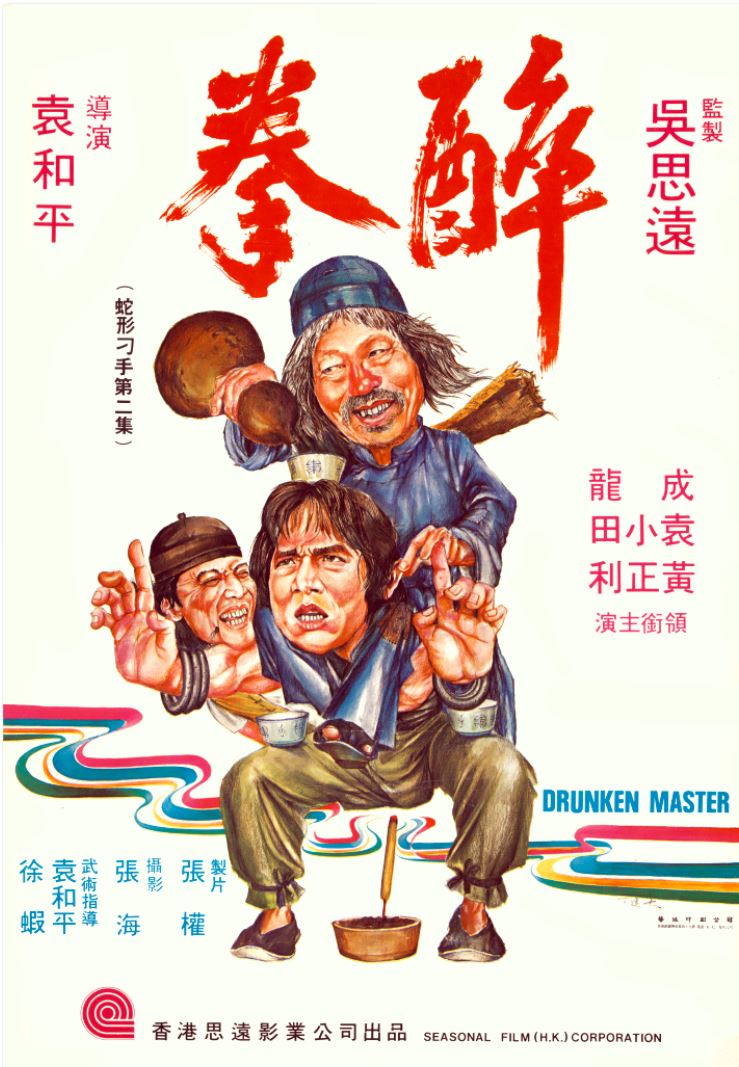
Knochenbrecher: From 1978 Kung Fu Cult Classic to German Rap Album
Few film titles hold as much cultural weight across disparate art forms as Sie Nannten Ihn Knochenbrecher. What began as the German moniker for a groundbreaking 1978 Hong Kong martial arts film, "Drunken Master," has evolved into an iconic phrase, powerfully resonating decades later as the title of a significant German rap album by Asche. This journey from the kinetic energy of a young Jackie Chan to the raw declarations of modern Deutschrap highlights the enduring impact of a truly memorable, if somewhat peculiar, title.
Dive with us into the fascinating duality of Sie Nannten Ihn Knochenbrecher – exploring its cinematic roots that redefined a genre and its audacious revival in the realm of German hip-hop, proving that some cultural touchstones truly break boundaries.
The Cinematic Legacy of "Sie Nannten Ihn Knochenbrecher" (Drunken Master)
In 1978, a cinematic phenomenon emerged from Hong Kong under the title Drunken Master (醉拳). Its German release, however, carried the striking, somewhat hyperbolic name Sie Nannten Ihn Knochenbrecher – literally, "They Called Him Bone Breaker." While many purists found this translation a touch over-the-top, even "complete nonsense" as some critics put it, it undeniably etched itself into the minds of audiences, hinting at the visceral, yet comedic, action within.
At its heart, Sie Nannten Ihn Knochenbrecher tells the story of Wong Fei-hung, a rebellious and spoiled young man, disrespectful of tradition and prone to mischief. His exasperated father, the renowned master Wong Kei-ying, sends him to train under the legendary Beggar So, an eccentric and seemingly mad master of "Drunken Boxing." This is no ordinary training; it's a brutal, often comical, regimen designed to strip Wong of his arrogance and instill true discipline. Wong is forced to carry heavy water jugs for hours, balance on precarious poles, and master the eight distinct styles of Drunken Boxing, each inspired by one of the Eight Drunken Immortals of Chinese mythology. These arduous training sequences, choreographed by the masterful Yuen Woo-ping, are themselves celebrated as miniature works of art, blending slapstick humor with astonishing athletic prowess.
The film's true genius lies in its revolutionary approach to martial arts cinema. Director Yuen Woo-ping, hailing from a family steeped in stunt work and choreography (his own father, Yuen Siu-tien, brilliantly portrays Beggar So), broke free from the often-static, stoic kung fu presentations of the era. He infused the combat with unprecedented fluidity, acrobatic grace, and, crucially, comedic timing. This innovative blend of physical comedy and authentic, powerful martial arts was groundbreaking, paving the way for Jackie Chan's global superstardom. It showcased a martial artist who was not just a fighter but also an agile comedian, capable of turning perilous situations into laugh-out-loud moments without sacrificing the intensity of the combat. To delve deeper into this pivotal moment, explore Jackie Chan's Breakthrough: Drunken Master's Revolutionary Impact.
The narrative culminates in an electrifying showdown against the formidable assassin Thunderfoot, portrayed by the legendary Hwang Jang-lee. Thunderfoot's precise, deadly kicking style clashes spectacularly with Wong's unpredictable, seemingly chaotic Drunken Boxing, creating a finale that is pure, unadulterated martial arts perfection. This dynamic interplay of styles, where vulnerability and cunning often trump brute force, is a testament to the sophisticated choreography that made Drunken Master: How Yuen Woo-ping Blended Comedy and Brutal Kung Fu a timeless classic.
From Cult Classic to German Rap Iconography: Asche's Homage
Fast forward to the modern era, and the phrase Sie Nannten Ihn Knochenbrecher takes on a new life, morphing into the title of a 2020 double album by German rapper Asche. This wasn't merely a random appropriation; it was a deliberate and powerful homage, deeply rooted in the history of German hip-hop.
The album and its titular track immediately evoke memories of Bushido's seminal debut album, "Vom Bordstein bis zur Skyline," particularly its iconic opening track, "Electrofaust." That track itself famously featured samples from martial arts films, setting a raw, confrontational tone that became synonymous with early 2000s Deutschrap. Asche's choice to name his album Sie Nannten Ihn Knochenbrecher, and to open it with a track heavily sampling the very film the German title refers to, is a clear nod to this legacy, an almost historical challenge thrown down to the genre.
The album's intro track powerfully samples a German voice-over from the film, declaring: "Ich breche dir alle Knochen im Leibe! Gegen mich hast du keine Chance." (I will break all the bones in your body! Against me, you have no chance.) This isn't just a soundbite; it's a mission statement. It instantly sets an aggressive, defiant, and uncompromising tone that mirrors the film's "bone-breaking" ferocity, translating physical combat into lyrical warfare. The choice of such a visceral and memorable phrase underlines the album's thematic focus on dominance, struggle, and uncompromising self-assertion, much like Wong Fei-hung's journey to master a deceptively powerful style.
Asche's lyrical content on Sie Nannten Ihn Knochenbrecher often reflects the grit and determination seen in the film. While the context shifts from 19th-century China to contemporary urban landscapes, the underlying themes of rigorous training, overcoming adversity, and asserting one's strength against formidable opponents remain remarkably consistent. The album taps into the raw power and theatricality inherent in the cult film, using its legacy to amplify its own message of resilience and a no-holds-barred approach to the rap game.
The Enduring Appeal of "Bone Breaker": A Cross-Cultural Phenomenon
The journey of Sie Nannten Ihn Knochenbrecher from a Hong Kong cinematic masterpiece to a touchstone in German rap culture offers a fascinating insight into the power of iconic phrases and sounds. Despite the German title being a somewhat free interpretation of "Drunken Master," its visceral nature and memorable delivery cemented its place in popular consciousness. This "bone-breaking" metaphor, initially describing the literal impact of a martial artist, seamlessly translates into the metaphorical combat of lyrical prowess and street credibility in hip-hop.
The film's enduring appeal lies in its masterful blend of entertainment, innovation, and genuine martial arts skill. It taught audiences that strength could be found in unconventional places, that discipline could be cultivated through humor, and that a protagonist didn't have to be perpetually serious to be impactful. These very lessons, albeit recontextualized, resonate within the competitive world of German rap, where artists like Asche strive to innovate, entertain, and assert their dominance through their craft.
This cross-pollination of art forms offers a valuable lesson: great art, whether cinematic or musical, possesses a unique ability to inspire and lend its weight to new creations. The power of a well-chosen sample or an evocative title can bridge decades and cultures, enriching the artistic landscape in unexpected ways. It demonstrates how artists, like Asche, meticulously select elements that not only pay homage but also infuse their work with a deeper layer of meaning and historical weight, appealing to fans who appreciate both the past and the present.
In conclusion, Sie Nannten Ihn Knochenbrecher stands as more than just a film or an album title. It represents a fascinating cultural phenomenon – a German translation that, despite its initial peculiarities, captured the essence of a martial arts revolution and went on to inspire a new generation of artists. From the unforgettable, comedic yet brutal elegance of Jackie Chan's Drunken Master to the hard-hitting, legacy-driven beats of Asche's German rap, the "Bone Breaker" continues to resonate, proving that some legends, once named, refuse to be forgotten.